
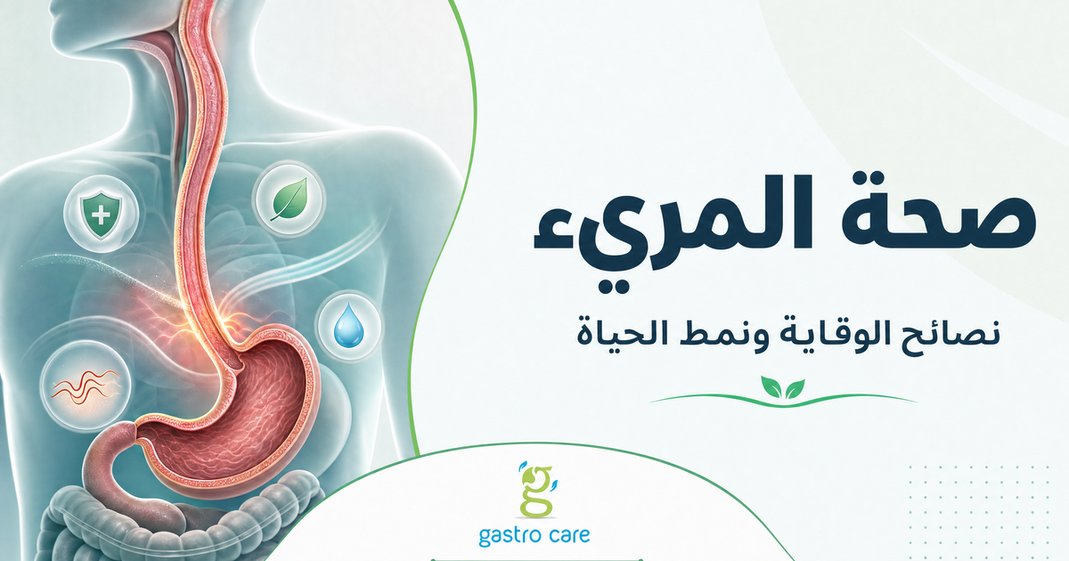
Esophagus Doctor Cairo: Healthy Lifestyle Tips
Looking for an esophagus doctor Cairo residents and expatriates can speak with comfortably? Learn practical habits that support esophageal health and the warning signs that deserve medical attention.
Choosing an esophagus doctor Cairo patients can rely on is only one part of looking after your digestive health. Everyday habits also influence how comfortably you eat, sleep, work and travel. The oesophagus is the muscular tube that carries food and liquid from the mouth to the stomach. Reflux, inflammation, movement disorders and other conditions can produce overlapping symptoms, so prevention advice should support—not replace—a clinical assessment.
What esophageal symptoms should you notice?
Heartburn, a sour taste, regurgitation and discomfort behind the breastbone are commonly associated with reflux. Some people instead notice a persistent cough, a hoarse voice, throat irritation or a feeling that something is stuck. Difficulty swallowing, painful swallowing or food seeming to pause on its way down deserves attention, particularly when it is recurring or becoming more noticeable.
Symptoms do not automatically identify their cause. Chest pain can come from conditions outside the digestive system, and symptoms can be affected by medicines, eating patterns or other health problems. The Mayo Clinic overview of GERD explains common symptoms and why persistent concerns should be discussed with a clinician. A short symptom record can make that discussion more useful: note timing, meal size, body position, sleep, medicines and any clear personal triggers.
Eat in a way that is kinder to the oesophagus
Start with pace and portions. Eating slowly, chewing thoroughly and choosing moderate portions may reduce uncomfortable fullness for some people. Sit down while eating and give yourself time to notice when you are satisfied. These sustainable habits can be especially helpful for expatriates adapting to new work schedules and social meals in Cairo.
There is no universal “reflux food list”. Coffee, chocolate, mint, citrus, tomato, spicy meals, rich foods or fizzy drinks may bother some people, while others tolerate them. Instead of eliminating many foods at once, keep a simple diary and look for a repeatable pattern. The NIDDK guidance on eating, diet and nutrition supports tailoring changes to foods that worsen an individual’s symptoms rather than assuming that every person needs the same restrictions.
Try to make the last substantial meal comfortably before bedtime. Staying upright after eating and avoiding a rushed meal immediately before lying down may help reduce night-time symptoms in some people. Your clinician can help you choose an appropriate schedule if you work shifts, have diabetes, take medicines with food or have another condition that affects meal timing.
Sleep, movement and weight-supportive habits
Reflux may feel worse when a person lies down. If symptoms disturb your sleep, ask a clinician whether raising the head end of the bed with a stable support is appropriate. Simply adding pillows can bend the body in a way that is uncomfortable and may not provide the intended support. Keep the bedroom routine calm, and avoid making large changes if another medical condition affects your sleeping position.
Regular movement supports general wellbeing. A gentle walk at a comfortable time may be more suitable after a meal than vigorous exercise straight away. If a clinician recommends weight reduction, approach it as a gradual health goal rather than a quick fix. Food access, cultural preferences, medications and existing conditions all matter. A dietitian or doctor can help you create a plan that is realistic for your daily life.
Smoking harms health throughout the body and can aggravate digestive discomfort in some people. If you smoke, professional cessation support is more reliable than trying to manage withdrawal alone. Alcohol may also be a personal trigger for symptoms and can interact with medicines. Better sleep, paced breathing, time outdoors and counselling can support stress management, but none should be presented as a guaranteed treatment for an undiagnosed oesophageal condition.
Review medicines and swallowing routines
Some tablets, capsules and supplements can irritate the oesophagus or feel difficult to swallow if taken incorrectly. Do not crush, split or stop a prescribed medicine without checking with a doctor or pharmacist. Tell the healthcare professional about every prescription, over-the-counter product and supplement you use. Ask whether it should be taken with water, whether you should remain upright, and whether a liquid or alternative form is appropriate.
Frequent self-treatment also deserves a review. Antacids or other reflux products may be suitable for some people, but repeated reliance on them, symptoms that return quickly or symptoms that continue despite use should prompt a consultation. “Natural” remedies are not automatically risk-free, especially when several products are combined. A careful medication history helps an esophagus doctor Cairo patients see make safer, more individual recommendations.
When should you seek medical care?
Seek urgent medical help for severe or unusual chest pain, shortness of breath, sweating or pain spreading to the arm or jaw. These symptoms should not be assumed to come from reflux. Urgent assessment is also appropriate if food becomes stuck, you cannot swallow liquids, you vomit blood or your stools are black and tarry.
Arrange a timely appointment for unintentional weight loss, repeated vomiting, fever, progressive swallowing difficulty or symptoms that repeatedly interrupt sleep and daily activities. A clinician may review your history, examine you and decide whether further evaluation—such as endoscopy or another test—is appropriate. The decision depends on your symptoms, age, medical history and examination; it is not something to determine from an online checklist.
Build a personal prevention plan
Choose one or two changes that you can maintain for several weeks: slow down meals, leave time between dinner and lying down, or identify a food pattern that consistently causes discomfort. Record what happens without becoming anxious; the goal is useful patterns, not a perfect lifestyle.
Before an appointment, note when symptoms began, how often they occur, what changes them, and whether solids or liquids are affected. Bring your medication list and previous reports. If you live between countries, explain changes in medicines or diet. This makes it easier to decide what needs reassurance, monitoring or further investigation.
Why specialist assessment matters for esophageal health
When symptoms persist, an evaluation aims to understand the full story rather than attach a label too quickly. A doctor may ask about meals, posture, sleep, stress, medicines, allergies and previous conditions. Some patients need reassurance; others may need targeted tests. The safest plan matches the clinical picture and is explained in language you understand.
For patients searching for an esophagus doctor Cairo can offer, GastroCare Cairo provides a setting where questions can be discussed respectfully and next steps can be explained clearly. The centre serves local families as well as international residents, and the focus remains on appropriate medical assessment rather than promises. Lifestyle measures are valuable, but they should sit alongside professional advice when symptoms are persistent or concerning.
Meet Our Medical Director
Dr. Abdel Latif Hamouda brings a calm, listening-focused approach to digestive care. He is a senior consultant in general internal medicine, gastroenterology, hepatology and endoscopy. His aim is to help each patient understand what their symptoms may mean, what should be monitored and which next step is reasonable.
Dr. Abdel Latif Hamouda earned a PhD in Gastroenterology, Hepatology and Endoscopy from the University of Lille 2 in France in 1989, a degree in Artificial Nutrition from Paris 5 in 1990, and training in Intensive Care at Paris VII in 1993. He was formerly a specialist at Rouen University Hospital in France and formerly Head of Gastroenterology at Dammam Hospital. He is a member of the American Gastroenterological Association, the American Society for Gastrointestinal Endoscopy, and the Egyptian and Saudi societies of Gastroenterology, Hepatology and Endoscopy.
Patients may also explore the profile of Dr. Peter Abdel Malik, one of the department doctors featured by the centre. The benefit of a professional team is not simply having more names; it is having an appropriate route for questions, assessment and follow-up.
With Dr. Abdel Latif Hamouda, conversations are warm and practical. Patients are encouraged to share concerns openly, including symptoms they may feel embarrassed to describe. That context helps the medical team distinguish a short-lived irritation from a recurring problem that deserves closer attention.
Why Choose GastroCare Cairo?
For people seeking an English speaking doctor Cairo families and international residents can communicate with, clarity and respect are central to the visit. GastroCare Cairo is a best private clinic Cairo option for patients who value a calm setting, organized appointments and explanations that connect medical advice with everyday life. As an international medical center Cairo patients can access, it also understands the practical needs of expatriates who may be coordinating care across languages and health systems.
The centre offers a coordinated medical environment without inventing a department-page link that does not exist. Meet our full medical team and choose the appropriate starting point for your questions. A profile page cannot replace a consultation.
Conclusion: make prevention sustainable
Protecting the oesophagus is usually about consistent, proportionate habits: moderate meals, slower eating, attention to personal triggers, a sensible gap before lying down, movement, medication review and timely care when warning signs appear. You do not need to fear every episode of heartburn or follow an unnecessarily restrictive diet. You do need to take recurring, progressive or disruptive symptoms seriously.
If you would like to discuss reflux, swallowing symptoms or a prevention plan with an esophagus doctor Cairo patients can reach in New Cairo, arrange an appointment and bring your questions. Book your appointment now with Dr. Abdel Latif Hamouda at GastroCare Cairo — the distinguished medical centre in Fifth Settlement.

Leave a Reply